
Last updated
Short answer: If you are hurt at a hotel, pool or water park on the Chula Vista Bayfront, the business that runs the property is usually the first place a claim looks, under California’s ordinary negligence rules. Much of the Bayfront is public tidelands held by the Port of San Diego, which leases land to private developers. If public property that the Port or the City owns or controls helped cause the injury, a written government claim is generally due within six months. A claim against a private operator generally has a two-year lawsuit deadline.
Why the Bayfront is different
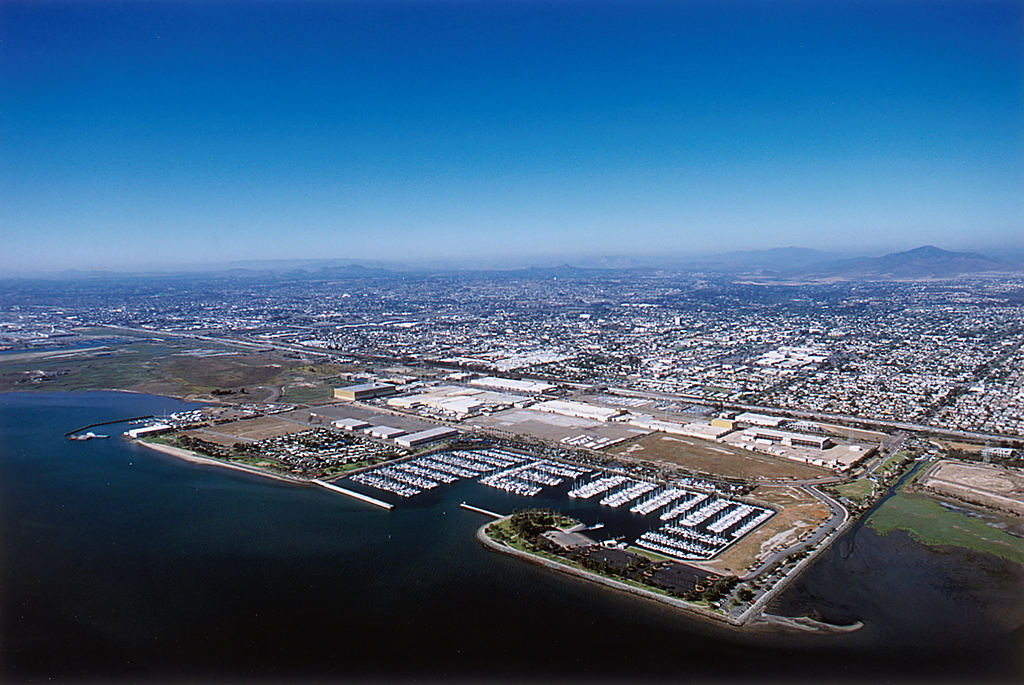
The Chula Vista Bayfront has changed quickly. The Gaylord Pacific Resort and Convention Center opened there on May 15, 2025, after a partnership between the Port of San Diego, the City of Chula Vista and a private developer. Visitors come for the hotel, the pools and water park, the convention center, the marina, parks and waterfront paths.
What makes an injury claim here unusual is the land underneath. The Port of San Diego is a public corporation created by the California Legislature in 1962. It manages tidelands held in trust for the state and can lease them for up to 66 years. Public records describe a common setup for hotels on Port tidelands:
- the Port leases the land to a private developer under a long-term ground lease;
- the developer builds the hotel and parking, and hires a hotel management company to run day-to-day operations; and
- on the Chula Vista Bayfront, the convention center land was leased to a joint powers authority formed by the City and the Port, with the developer building and operating the center.
So one visit can cross property run by a private company and property owned or controlled by a public agency. Who may be responsible depends on where you were hurt and who controlled that spot.
When a private operator may be responsible
California Civil Code section 1714 says everyone is responsible for injuries caused by a lack of ordinary care in managing their property. For a hotel or water park, that can include:
- wet or slippery floors, pool decks and stairs without warnings or mats;
- broken handrails, lighting or furniture;
- pool or water attraction areas that were not properly supervised, maintained or marked;
- elevator, escalator or door problems;
- poor security when a risk was foreseeable; and
- parking structure hazards, such as poor lighting or uneven surfaces.
A claim like this is usually against the business that operated or controlled the area, and its insurer. Depending on the facts, a contractor or an equipment manufacturer may also be involved. A lawsuit against a private party for personal injury is generally due within two years (Code of Civil Procedure section 335.1).
When a public agency may be responsible
A public entity can be responsible for a dangerous condition of its property in limited situations (Government Code section 835). The injured person generally must show the property was dangerous, the condition caused the injury, the risk was reasonably foreseeable, and the entity either created the condition or knew or should have known about it in time to fix it or warn.
Two limits matter on the Bayfront:
- Owned or controlled. “Public property” means property the public entity owns or controls (Government Code section 830). Land the Port leases to a private operator, where the operator controls the premises, may not count as public property for this purpose. A public park, path or street the Port or the City runs may.
- Public entities include the Port and joint authorities. California law defines public entities to include cities, districts, public authorities, public agencies and public corporations (Government Code section 811.2).
Whether a claim against a public agency makes sense depends on the exact location and the lease, maintenance and control arrangements for that spot.
How a government claim works here
- Deadline: a claim for personal injury must be presented within six months after it accrues (Government Code section 911.2). A late-claim application may be possible within one year, but approval is not automatic (section 911.4).
- Where it goes: a claim to a local public entity is presented to its clerk, secretary or auditor, or mailed to its governing body at its principal office (Government Code section 915). The Port of San Diego’s administration building is at 3165 Pacific Highway, San Diego, CA 92101. Claims against the City of Chula Vista go to the Office of the City Clerk at 276 Fourth Avenue, Chula Vista, CA 91910, as explained on the City Clerk page and in our City of Chula Vista claim guide.
- After a rejection: if the agency rejects the claim in writing, a lawsuit generally must follow within six months of that notice (Government Code section 945.6).
When it is not clear who controlled the spot, a lawyer may present claims to more than one agency within six months while also preserving a claim against the private operator.
What to do after an injury at a hotel or water park
- Report it to hotel or park staff and ask for a copy, or at least the number, of the incident report.
- Take photos of the exact spot, the hazard, any warning signs or lack of them, and your injuries.
- Write down names of staff you spoke with and of witnesses.
- Keep your room folio, day pass, wristband, receipts and any app or email confirmation showing you were there.
- Get medical care and keep the records.
- If you signed a waiver for a water attraction or activity, keep a copy and have a lawyer read it. A waiver does not always answer the question of responsibility.
- Ask the property, in writing, to preserve video of the area.
Visitors from out of town
Bayfront guests may come from elsewhere in California, from other states or from Mexico. The California deadlines above apply to an injury here no matter where the guest lives. Waiting until after you get home can use up much of a six-month government claim period.
How Win Attorneys can help
Win Attorneys helps injured people throughout California from our Tustin office at 17291 Irvine Blvd., Suite 210, Tustin, CA 92780. We speak Spanish and Vietnamese. Call (657) 235-8097.
Related reading: Chula Vista personal injury lawyer, premises liability, California government claims and the six-month rule, parking lot and parking garage crashes and slip and fall claims.
This article is general information about California law, not legal advice for your situation.
Frequently asked questions
Who is responsible if I slip at a hotel on the Chula Vista Bayfront?
Usually the business that operated or controlled the area where you fell, under California’s ordinary negligence rules in Civil Code section 1714. A public agency may be involved only if public property it owns or controls helped cause the fall.
Is the Chula Vista Bayfront public land?
Much of it is public tidelands managed by the Port of San Diego, which can lease that land to private developers. Leased hotel property is generally run by the private operator, while some parks, paths and streets may be owned or controlled by the Port or the City.
Do I have to file a government claim for an injury at a Bayfront hotel?
Not always. A claim against a private hotel operator does not require a government claim. If a public entity such as the Port or the City may share responsibility, a written claim is generally due within six months under Government Code section 911.2.
Where do I send a claim against the Port of San Diego?
Under Government Code section 915, a claim to a local public entity is delivered to its clerk, secretary or auditor, or mailed to its governing body at its principal office. The Port’s administration building is at 3165 Pacific Highway, San Diego, CA 92101.
Does a water park waiver stop me from making a claim?
Not always. Whether a waiver applies depends on its wording and the facts. Keep a copy and have a lawyer review it before assuming you cannot make a claim.
How long do I have to sue a hotel for an injury in California?
Generally two years under Code of Civil Procedure section 335.1 for a claim against a private party. Claims against public entities have the shorter six-month claim requirement first.