
Last updated
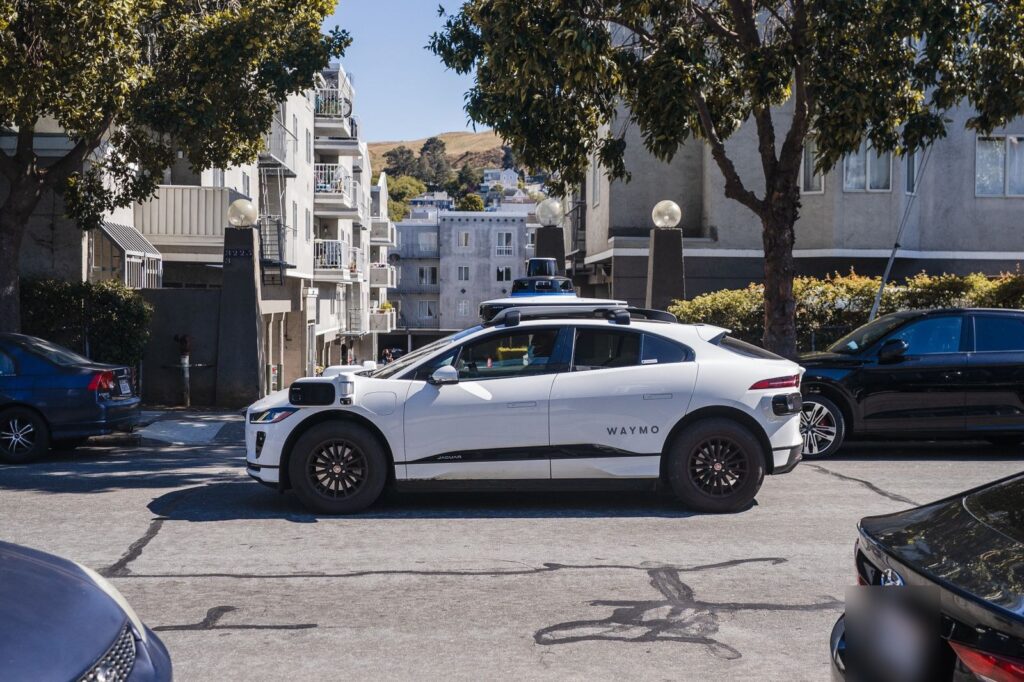
If a Waymo robotaxi hits you in Torrance, El Segundo, Manhattan Beach or anywhere else in California, the main party to look at is usually the company that operates the vehicle, because no human driver is behind the wheel. California requires companies that deploy driverless cars to show proof of insurance or self-insurance of at least 5 million dollars. The usual rules still apply: you have to show the vehicle was operated carelessly or was defective, shared fault can reduce a recovery, and the two-year lawsuit deadline still runs.
What was reported?
The Los Angeles Times reported on November 3, 2026 that Waymo added Torrance, El Segundo and Manhattan Beach to its Los Angeles service area, which now covers about 210 square miles, though riders still cannot travel to or from LAX. Los Angeles magazine cited a UC Berkeley dashboard showing about 200 reported crashes involving a Waymo vehicle in Los Angeles County in 2025, and noted that more than 80 percent of reported crashes this year caused no apparent injury. More cars on more streets means more people asking who pays when something goes wrong.
Who can be responsible when a robotaxi crashes?
- The operator. With no human driver, claims usually run against the company that operates the vehicle and its automated driving system.
- A manufacturer or software supplier. If a defect in the car or its system caused the crash, a product liability claim may be possible.
- Another human driver. Many robotaxi crashes involve a person hitting the robotaxi or causing a chain reaction. That driver’s insurance may be primary.
- A public entity. A broken signal or dangerous road design can bring in a city or Caltrans, with a six-month claim deadline.
What does California require of driverless car companies?
Vehicle Code section 38750 requires a manufacturer testing or deploying autonomous vehicles to have an instrument of insurance, a surety bond or proof of self-insurance of 5 million dollars. The California DMV issues testing and deployment permits and posts collision reports that companies must file. Paid passenger service also needs approval from the California Public Utilities Commission. None of these rules decides fault, but they help show who is answerable and where records exist.
Does it matter that the service area is new?
Not for the legal rules. The same California law applies in Torrance as in Santa Monica. Practically, a new area can raise questions about mapping, unfamiliar intersections, pickup and drop-off spots and school zones, which can become part of the evidence. A robotaxi also records a great deal of sensor and video data. Asking the company in writing to preserve the data for your crash should happen early.
What if the robotaxi was stopped when it was hit?
Then the driver who hit it may be mainly responsible, and passengers in the robotaxi can usually claim against that driver’s insurance. If the robotaxi stopped somewhere unsafe, such as in a travel lane without reason, the operator may share fault. California’s comparative fault rule divides responsibility by percentage.
What to save after a robotaxi crash
- The vehicle number shown on the car and in the app, and your trip receipt if you were a passenger.
- Photos of the scene, the robotaxi, other vehicles and road signs.
- The police report number and any report you make to the company.
- Witness names and nearby video.
- Medical records and proof of missed work.
What are the deadlines?
- Two years for most injury and wrongful death lawsuits against private parties, under Code of Civil Procedure section 335.1.
- Six months for a written claim when a public entity is involved, under Government Code section 911.2. Our government claims page explains the process.
- Policy notice periods for your own insurer. Report the crash early, even if you think another driver will pay.
Where can you read more?
See our robotaxi and rideshare page, our guide to Waymo’s California expansion and the rules if you are hurt, robotaxi crashes in San Diego and driverless car crash claims.
Frequently asked questions
Who pays if a Waymo hits me in Torrance or Manhattan Beach?
Usually the company that operates the robotaxi, through its insurance or self-insurance, if the vehicle was at fault. If another human driver caused the crash, that driver’s insurer may pay instead.
How much insurance must a driverless car company carry in California?
Vehicle Code section 38750 requires proof of insurance, a surety bond or self-insurance of 5 million dollars for companies testing or deploying autonomous vehicles.
Can a robotaxi passenger make a claim after a crash?
Yes. A passenger may claim against whoever caused the crash, which may be the robotaxi operator, another driver or both.
Does Waymo’s expansion into new cities change my rights?
No. The same California law applies in every city in the service area. A new area may simply raise new evidence questions about mapping and local streets.
How long do I have to sue after a robotaxi crash?
Generally two years under Code of Civil Procedure section 335.1, and six months for a written claim if a public entity shares fault.
Talk to us
If you or your family is dealing with a crash like this anywhere in California, talk to us about who may be responsible and which deadlines apply. This article is general information, not legal advice, and it does not decide what happened in any real crash.